Postcards, Then and Now: How Our Work (and the World) Has Changed

We’ve said it before, and we’ll say it again: we love a good postcard. Whether we were trimming paper and pasting mockups with rubber cement back in the day or creating interactive QR code experiences today—one thing hasn’t changed: postcards work.

Postcards continue as a staple of direct mail marketing. And, while the format has stayed familiar throughout the years, the world around it—design tools, production timelines and even the way people respond to a mailer—has changed dramatically. Today, we’re reflecting on two of our early postcard projects, how we approached them at the time and what a modern-day version looks like today.

Back Then: Paper Proofs, Photo Shoots and a Whole Lot of CD-ROMs

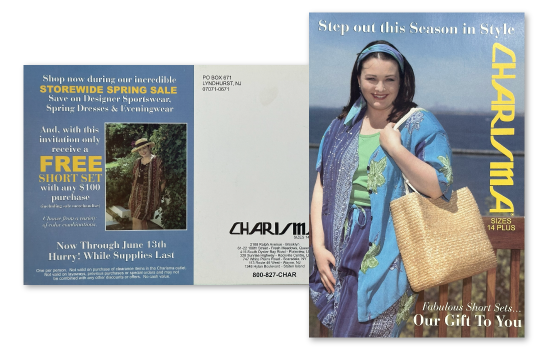
Let’s rewind to some of our earliest postcard projects—back when mailboxes were the original inbox and direct mail ruled the marketing world. One standout was for Charisma, a regional plus-size fashion retailer with seven stores across New York and New Jersey. Known for stylish, accessible clothing, Charisma turned to us to drive traffic during a seasonal promotion. We sourced the model, secured the shoot location and brought the concept to life—pulled together by our in-house designer (shoutout to Nicol, who was the design team back then).

Another memorable piece from our early days? A cheeky, movie-themed postcard created for Clothestime, the go-to junior fashion chain of the time with hundreds of stores across the country. Designed to support an in-store Valentine’s sweepstakes in partnership with Columbia Pictures, Celebrity Cruises, Planet Hollywood and Caesars Palace, the campaign centered around a hot new romantic comedy. With bold visuals and playful copy, the postcard captured the energy of the promotion and created major in-store buzz.

These cards were designed using early programs like QuarkXPress, CorelDraw or Photoshop—long before layers and automation made editing easy. Fonts came from CD-ROMs or floppy disks, stock photos were limited (if they existed at all) and just like with Charisma, we often held our own photo shoots. You had to be scrappy, creative and extremely organized.

Proofing was a process of its own. Clients reviewed physical mockups, marked up hard copies by hand, and sent changes back via fax or FedEx. Approved estimates? Always faxed. Account managers tracked every detail on a whiteboard, and project files lived in paper job jackets or on burned CDs, carefully tucked into manila folders.

Production timelines were longer, and the back-and-forth was slower, but the intention behind the work was strong. These postcards were stand-alone pieces with stopping power: clear calls to action, bold design and compelling offers. Measuring ROI often came well after the campaign ended. In-store staff would jot down the transaction date, amount and store number directly on the redeemed postcard. Those cards were mailed back to us, and our team keyed in every detail to tie it back to the customer. Dozens of Excel sheets later, we had the insights we needed. It was all analog—and it worked. 

Now: Strategy-Driven, Digitally-Savvy and Fully Integrated

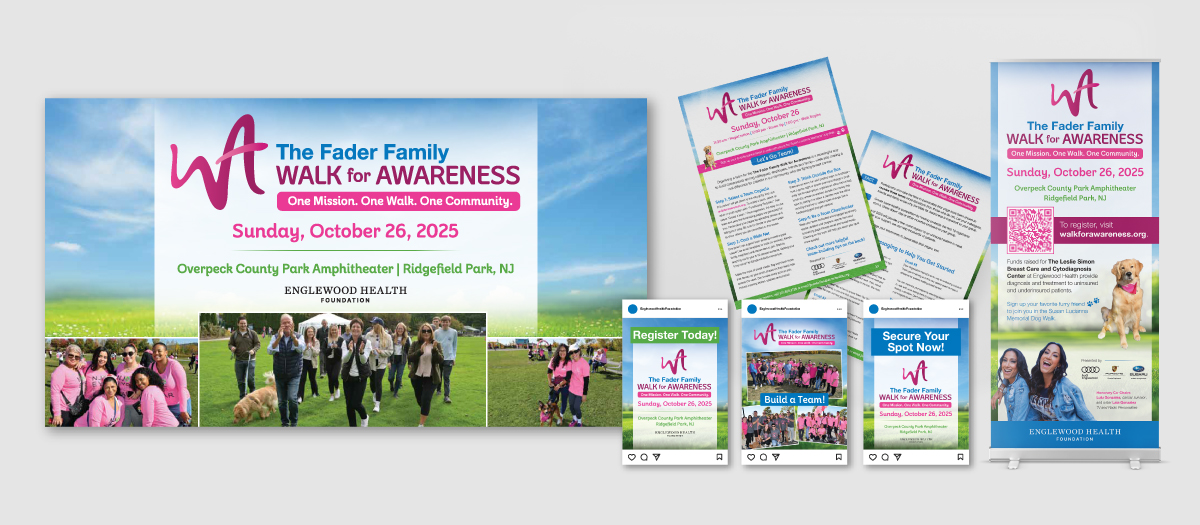
Fast forward to 2025, and postcards are still going strong—but the way we concept, design and deliver them has had a serious glow-up. Today’s postcards don’t fly solo. They’re part of bigger, smarter omnichannel campaigns—linking to landing pages, syncing with social media, teaming up with in-store signage and even pairing with IP-targeted ads to reach every screen in the house.

We pack them with personalized messaging, QR codes and trackable URLs so we can measure ROI in real time. With high-end digital printing and variable data magic, we can customize headlines, offers or imagery on each piece to speak directly to different audience segments. It’s relevance at scale—and it works.

We can also test what sticks. A/B testing lets us experiment with offers, messages and designs across versions to see what resonates best. We did a bit of that back in the day, but now it’s faster, easier and backed by real-time results.

This high level of targeting and testing is supported by smarter tools across the board. Design files live in cloud-based folders and move through streamlined digital proofing tools like Adobe Acrobat or InVision, making collaboration much faster and more efficient. Font choices? Endless. Imagery? We now have access to vast license-ready photo libraries—or can create custom illustrations on the fly.

Our account team manages it all through Monday.com and Google Suite, keeping timelines, revisions and assets moving smoothly. A project that once took several weeks can now go from concept to print in just days. The tools are better, the timelines are tighter, but the expectations are higher—and we’re here for it.
What Hasn’t Changed: The Power of Purposeful Design

Despite all the changes, some things stay the same. A postcard still needs to do its job: grab attention, deliver a message and spark action. Whether it’s driving foot traffic, launching a new product, engaging donors or reinforcing brand awareness, the fundamentals haven’t changed. Clear messaging. Strong visuals. A targeted audience.

The tools may have evolved but thoughtful storytelling, smart strategy and purposeful design remain at the core of every piece we produce.

Looking Back While Moving Forward

We love revisiting our early work—not just to see how far we’ve come but to celebrate the creative spirit that’s always driven us. Postcards may look a little different in 2025, but they remain a reliable, effective and creative marketing tool when done right.

Curious how your own brand could benefit from a modern take on direct mail? Let's talk.

TOP